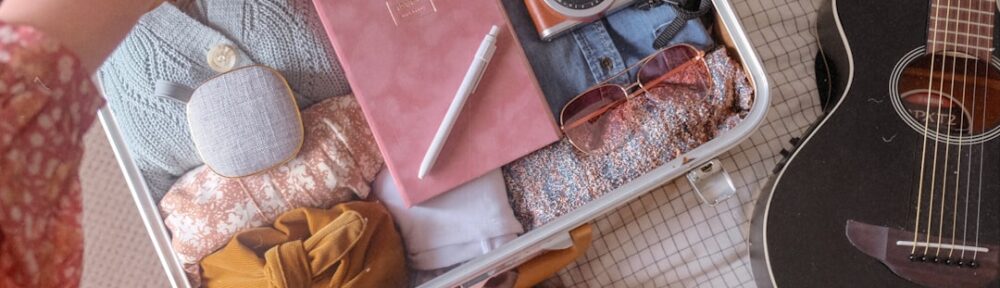
Struggling with overstuffed suitcases, wrinkled shirts, or surprise baggage fees? These 11 under-the-radar packing strategies will save space, protect your gear, and get you out the door faster.
Pack by Outfit, Not by Item
Packing by outfit forces you to think in combinations, so you avoid bringing duplicate or unused pieces. Lay out full outfits on your bed, then transfer each set to its own packing cube or section of your suitcase.
This method also speeds up mornings on the road because you have ready-to-wear sets. If a piece can be worn with at least two outfits, it stays, otherwise it gets left behind.
Pro Tip: Photograph each outfit on your phone before packing, so you can reconstruct looks quickly and stay consistent during trips.
Use Packing Cubes to Create Functional Layers
Packing cubes turn chaos into tidy zones, so shirts, bottoms, and toiletries each have a home. Choose at least three cubes: daily outfits, sleep and lounge, and laundry or extras so items never mix unintentionally.
Stack cubes by frequency of use with the most needed on top, so opening your bag does not become a full unpack session. Clear or color-coded cubes make locating items painless when you are tired or on a tight schedule.
Quick Tip: Keep one cube partially empty for souvenirs, and compress it at the end of the trip so collected items fit without buying a new bag.
Adopt the Bundle Roll for Wrinkle Reduction
Bundle rolling wraps garments around a central core, reducing creases for dress shirts and blouses. Start with the heaviest, least wrinkle-prone item in the middle and layer more delicate pieces around it, then roll tightly to create a compact bundle.
This technique uses vertical space more efficiently than folding and keeps outfits together during travel. Try a small trial before important trips to test how many bundles fit your suitcase while keeping shape intact.
Expert Insight: Place tissue paper between delicate layers to further reduce friction and preserve the finish of tailored items.
Leverage Compression Bags Selectively
Compression bags win back valuable volume for bulky items like sweaters and jackets, but overuse can make you carry more weight than needed. Use them for seasonal pieces you will actually wear, and avoid compressing shoes or fragile fabrics.
Seal and squeeze out air using a hand pump or rolling technique to avoid overpacking the bag and stressing zippers. For air travel, remember compressed bags may alter perceived volume but do not reduce weight, so weigh your luggage after packing.
Insider Tip: Pack compression bags near the bottom of your suitcase so lighter, frequently accessed items remain easy to reach.
Build a Travel-Ready Capsule Wardrobe
A capsule wardrobe uses a limited palette of mix-and-match pieces that cover all activities. Select neutral base colors and add two to three accent items to keep your outfits fresh without adding bulk.
Stick to fabrics that resist wrinkles and dry quickly, so laundering in a sink or hotel bathroom is feasible. With a capsule approach you can extend trip length without increasing your suitcase size.
Heads Up: Choose pieces that transition from day to night with simple accessory swaps, then leave bulky evening options at home.
Protect Valuables in Plain Sight
Conceal valuables by placing them in ordinary items so they do not scream expensive when you open your bag. Use everyday pouches, eyeglass cases, or sewn pockets inside shoes to hide jewelry, chargers, and passports.
Keep high-value items on your person if possible, using slim wallets, travel scarves with hidden pockets, or a shallow crossbody bag for easy access. This lowers the risk of theft and reduces stress during transit.
Worth Knowing: Photograph serial numbers and important documents and store them in secure cloud storage for fast retrieval if loss occurs.
Pack a Slim, Practical First-Aid Kit
Create a compact kit that covers blisters, basic pain relief, and common stomach issues, plus any personal prescriptions in clearly labeled containers. Use resealable bags to keep everything dry and compressed, so the kit fits a side pocket or small pouch.
Include adhesive strips, a blister kit, antihistamine, and single-dose electrolyte packets for travel days. Customize the kit for your destination, for example adding insect bite cream for tropical trips or altitude medication when relevant.
Pro Tip: Keep a duplicate of critical items like inhalers or epinephrine in checked luggage and another in your carry-on to avoid total loss.
Prepare a Day-Bag Essentials Checklist
Your day bag should be a compact emergency kit that supports the first 24 hours at a destination. Include a small first-aid pack, phone charger, portable battery, a lightweight rain layer, and local cash in small denominations.
Create a reusable checklist and save it to your phone or print one and tuck it into your passport holder. Replenish items used during transit so the bag is always ready for short excursions or layovers.
Quick Tip: Store the checklist inside the day bag so you can restock quickly before each new excursion without guessing what is missing.
Pre-Plan Outfits with On-Phone Photos
Before you pack, photograph each planned outfit and label the images by day or activity within your phone album. This visual inventory stops you from second-guessing choices mid-trip and helps you pack only what you will actually wear.
You can also note footwear and accessory pairings in the caption, which streamlines decision-making during busy travel mornings. When weather changes, swap out photos rather than unloading your suitcase in the hotel room.
Expert Insight: Use a simple folder system on your phone for different trips so past outfits become templates for future packing sessions.
Weigh Luggage at Home to Avoid Surprises
A cheap luggage scale removes guessing and helps you comply with airline weight limits before you leave for the airport. Weigh bags after packing and again after adding items like souvenirs, then redistribute items between bags until weight is balanced.
If you are close to the limit, swap denser items into carry-ons and trim nonessential extras like duplicate chargers or the second pair of shoes. Knowing your bag weight also keeps you from hurried repacking at the gate, which can be stressful and costly.
Insider Tip: Keep a lightweight foldable duffel in your luggage for overflow so you can move items quickly without having to check an extra bag at the last minute.
Use Shoes and Soft Items as Internal Padding
Empty shoes make excellent containers for small items and double as padding for fragile gear like sunglasses and electronics. Stuff socks, chargers, or toiletries inside footwear to save space and protect breakables from pressure.
Place shoes along the sides of the suitcase to create a rigid frame that supports folded clothes. This reduces shifting during transit and keeps everything more compact and organized.
Heads Up: Pack shoes in thin, separate bags or shower caps to keep clothes clean, then reuse those bags for laundry or damp swimwear later.
Ready to Pack Like a Pro?
Your packing choices shape the whole trip, from stress levels to mobility and cost. Which of these strategies will you try on your next trip, and what packing problem do you still want solved?